
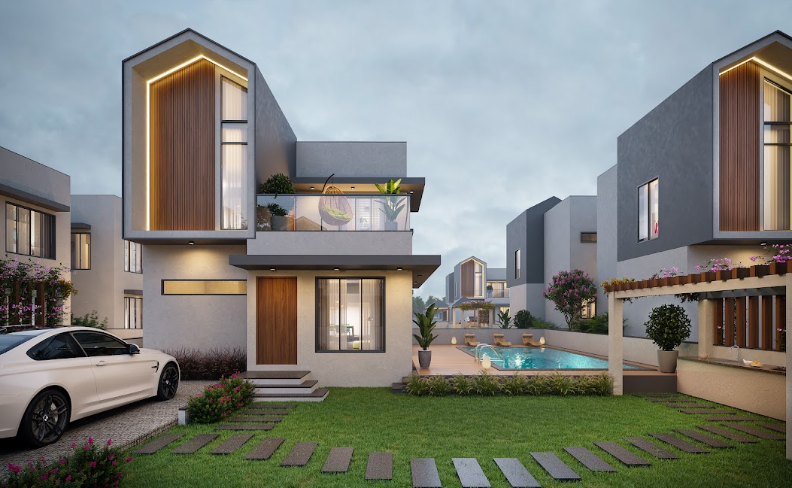
360 reality visualization gives clients a realistic sense of scale, layout, and atmosphere before a single brick is laid. It is an effective way to turn static design ideas into interactive experiences that anyone can explore from a phone, tablet, or desktop browser.
In Ahmedabad's fast-growing residential and commercial real estate market, buyers are often evaluating multiple projects at once, sometimes from another city entirely. A studio that can deliver a convincing, navigable 360 experience gives developers a real advantage in that comparison, because it lets prospective clients "walk through" a space rather than imagine it from a floor plan alone.
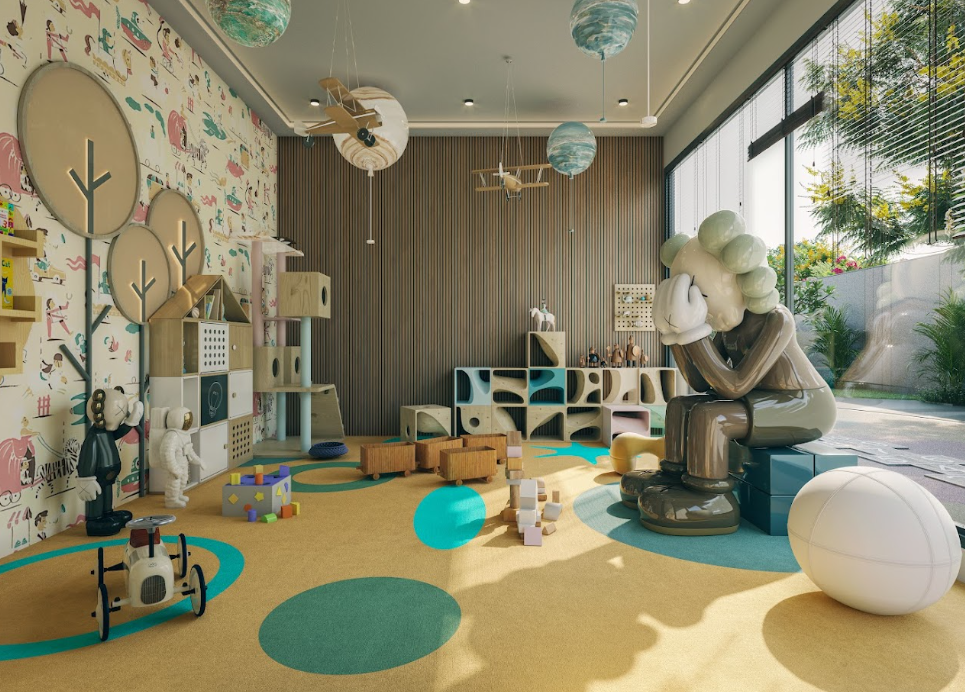
Through panoramic views and immersive navigation, stakeholders can explore room transitions, view lines, and spatial balance from a natural perspective. This makes the review process more intuitive and improves design confidence. Because the entire scene is modeled and lit in advance, the same asset can be reused across sales offices, websites, and social media without any additional site visits or reshoots.
What makes a 360 experience effective
A strong 360 visualization is more than a wide-angle photo. It requires accurate spatial modeling, believable lighting that changes convincingly as the viewer looks around, and interactive hotspots that guide the viewer naturally from one space to the next. Studios that get this right treat each scene as a small piece of architecture in its own right, not just a rendered backdrop.
Benefits of 360 visualization
- Easy client walkthroughs without site visits
- Clear communication of design intent and finishes
- Enhanced marketing and pre-sales experiences
- Consistent presentation quality across every viewing device
- Reusable content for sales offices, websites, and social campaigns
Where 360 visualization fits into a project timeline
Most developers introduce 360 visualization once interior layouts and finishes are finalized, so the virtual tour matches what will actually be delivered. It typically runs alongside other pre-launch marketing assets like brochures and hoardings, giving sales teams a consistent, richly detailed story to tell across every touchpoint.
Whether used for residential commissions or commercial developments, 360 visualization makes project storytelling more immersive and persuasive, and it continues to pay off long after the initial launch, since the same virtual tour keeps working for every future inquiry.
Interested in an immersive tour?
We can build an interactive experience that showcases your project with realism and clarity.
Book a consultation